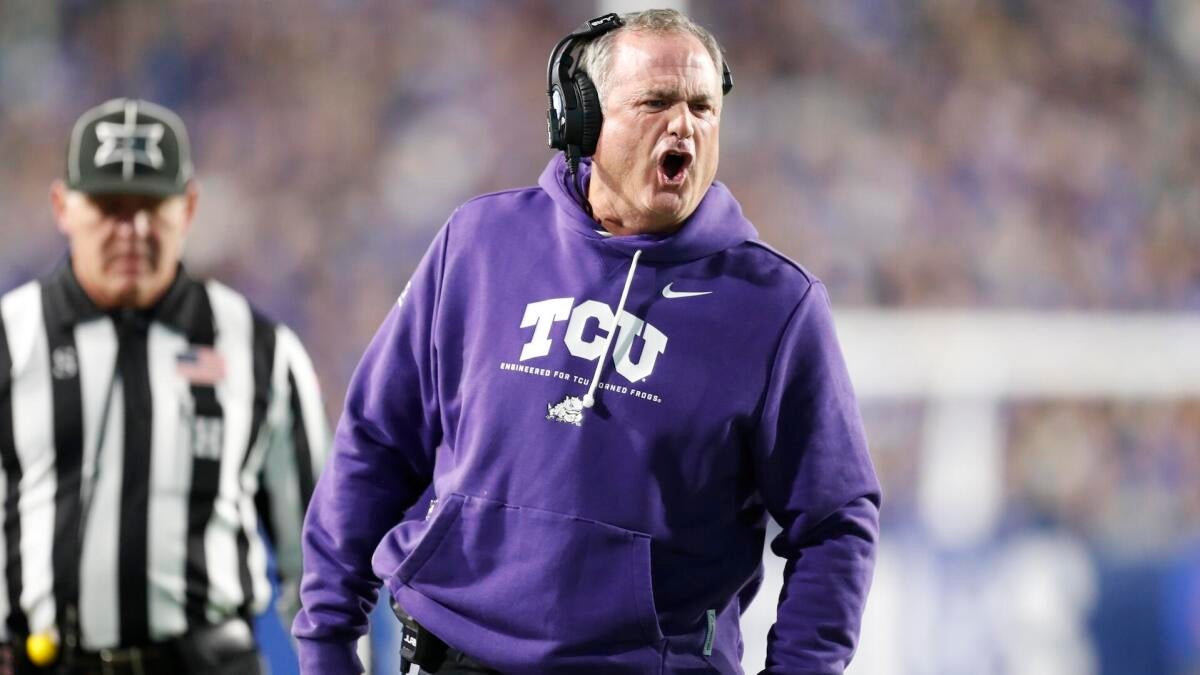
In the world of college football, coaching staff often face tough decisions and unexpected challenges, especially when it comes to player transfers. Recently, TCU's head coach Sonny Dykes expressed his frustration over losing quarterback Josh Hoover to Indiana. While some may see this as just another transfer, Dykes believes there are deeper implications behind such moves.
Sonny Dykes has been vocal about the impact of the transfer portal on team stability and recruiting. Losing a talented quarterback like Hoover not only affects the team's on-field performance but also raises questions about the recruitment and retention strategies at TCU. Dykes's frustration stems from the fact that Hoover was seen as a key piece for the team's future, and his departure could influence the team's dynamics and morale.
Hoover's decision to transfer to Indiana was reportedly influenced by multiple factors, including playing time, coaching relationships, and the overall program environment. Indiana's coaching staff has been actively recruiting talented players to bolster their roster, and Hoover's transfer is seen as a significant addition for their quarterback depth.
While transfers are common in college football, Dykes's reaction highlights the ongoing debate about the transfer portal's role in shaping the sport. Critics argue that it can undermine team cohesion and stability, while supporters believe it provides athletes with more freedom to choose programs that best fit their aspirations.
Despite his frustrations, Dykes remains focused on rebuilding his team and adapting to the changing landscape of college football. He emphasizes the importance of recruiting new talent and developing existing players to maintain competitiveness. The transfer of Hoover serves as a reminder of the challenges coaches face in managing roster changes and maintaining team unity.
Ultimately, Dykes's stance underscores the complexities of modern college football, where player movement is inevitable, but the emotional and strategic repercussions are profound. As programs continue to navigate this new era, coaches like Dykes will need to find ways to adapt and thrive despite these challenges.